
Boating with pets
Nothing beats a day on the water with your dog by your side, ears flapping in the breeze and tail going the whole way out to the mooring. Whether you're pottering around the Hauraki Gulf or heading out on a South Island lake, plenty of Kiwi boaties bring their four legged crew along for the ride. It just takes a bit of preparation to make sure everyone has a good time, including your pet.
Here's what to know before you cast off with a dog, cat or other animal on board.
Getting your pet used to the boat
Don't expect your dog to be relaxed the moment you untie the lines. Let them explore the boat while it's still tied up at the dock or sitting on the trailer, so they get used to the deck, the smells and the sound of the motor before you're underway. A short first trip out, even just around the marina, will help them settle before you commit to a longer day.
Cats can adapt to boat life more easily than people expect, though they're generally less enthusiastic passengers than dogs. If you're bringing other pets such as birds or reptiles, only do so if you can provide a genuinely safe, comfortable space for them on board. If you can't, they're better off at home.
Onboard safety essentials
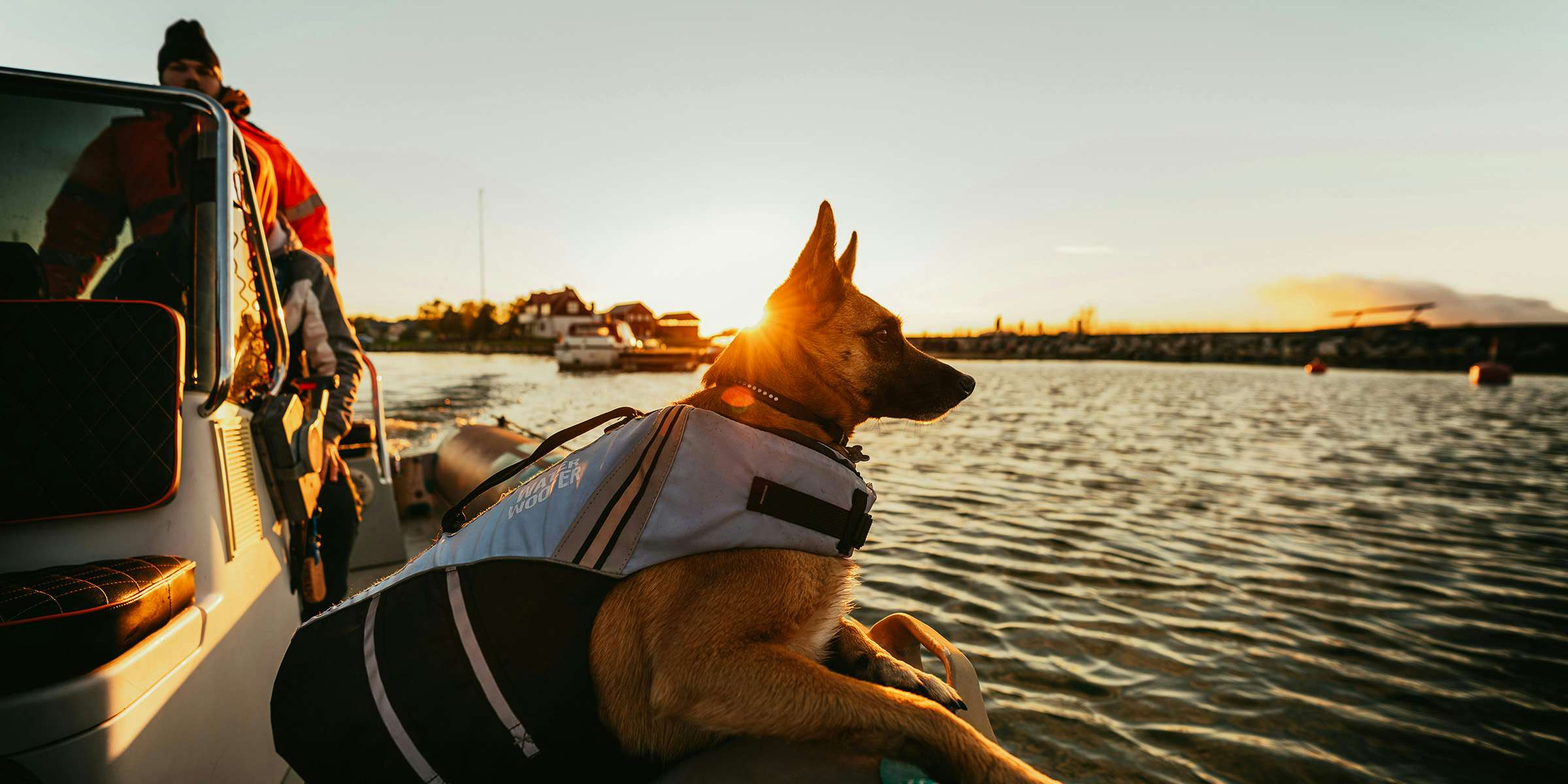
A properly fitted life jacket is the single most important piece of kit for a pet on the water, dog or cat. Look for one with a sturdy lifting handle on the back, which makes it far easier to pull a struggling animal back on board. Pet stores and most boating retailers stock them in a range of sizes, similar to how you'd choose the right lifejacket for the rest of your crew.
Keep plenty of fresh water on board and don't let your pet drink from the sea or a lake. Dogs don't sweat the way we do, so they'll drink from whatever's nearby when they overheat, and salt or contaminated water can make them sick. A shaded spot out of direct sun matters too. Dogs can get sunburnt, particularly on the nose and ears, so a pet-safe sunscreen is worth packing. Steer clear of anything containing zinc oxide, since it's toxic if licked.
Keep an eye on fishhooks and tackle, which are easy for a curious dog to find. And if your pet is on any regular medication, bring it with you.
Leaving and returning to the dock
Departing and arriving at the ramp or marina is when pets are most likely to get underfoot or overexcited. If you've got extra hands on board, have someone hold your dog while you're tying up or casting off, the same way you'd keep clear of others during boat ramp launch etiquette.
Never tie your dog to the boat with a leash. If they try to jump for the dock or into the water, a leash can catch on a cleat or become tangled in moving rope, which is far more dangerous than an off lead dog underfoot.
Watching for seasickness
Pets can get seasick just like people can. Watch for drooling, lethargy or vomiting, and if your dog or cat shows signs of it, head to shore and let them recover on solid ground before continuing. If seasickness is a regular issue for anyone on board, our guide to saying sayonara to seasickness has more on spotting the signs early and easing the symptoms.
Having an overboard plan
Agree on a plan before you leave the dock, not after your pet has gone in the water. If it happens, cut the engine immediately, head back to where they went in and call their name. The lifting handle on their life jacket makes retrieval much easier, and a net on board is handy for scooping up smaller dogs or cats which can't easily be lifted by hand.
Enjoy the trip
A well-prepared pet makes for a far more relaxed day on the water, for them and for you. Start small, keep the essentials on board, and you'll have a boating companion for many trips to come.
Sources: Discover Boating, Hillspet, Formula Boats, Skipperi