
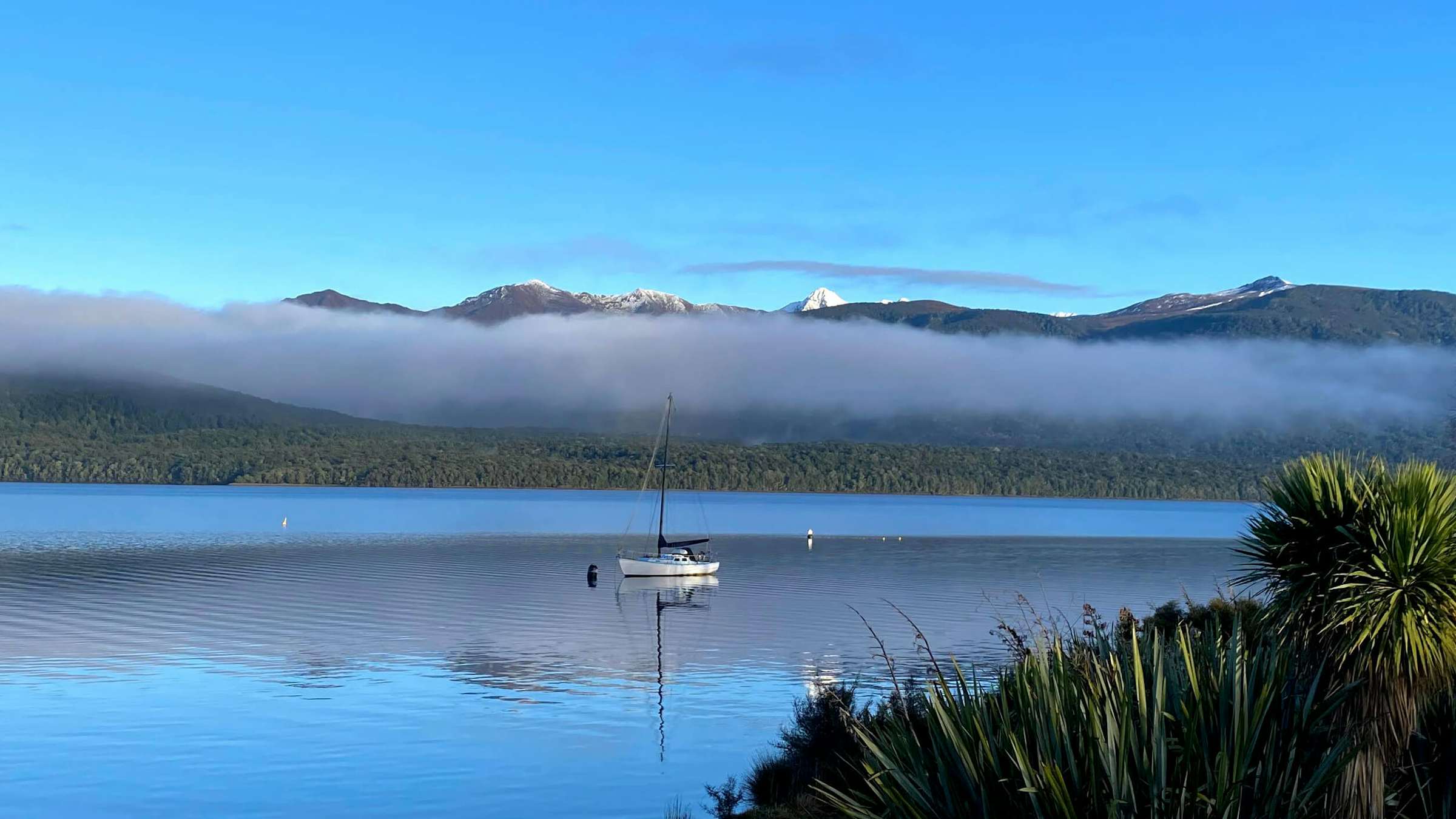
Boating in winter in New Zealand
Most boats come off the water after Easter. They get covered up, winterised to varying degrees, and left sitting on the trailer or in a marina berth until Labour Weekend. The logic is understandable: the weather turns, the days shorten, and somehow winter just doesn't feel like boating weather.
But spend some time talking to boaties who keep going year-round and you'll hear a different story. Winter on New Zealand's water has a lot going for it, as long as you pick your days and go in prepared. Here's why it's worth considering.
Why winter boating is more rewarding than you might think
The single biggest advantage is the lack of traffic. Boat ramps that queue for an hour on a summer Saturday morning are yours by 8am in July. Anchorages that are packed in January sit almost empty. Popular fishing spots that get hammered over summer give up fish more readily when the pressure drops.
There's also a weather argument to be made. New Zealand winters often bring extended runs of settled high pressure: clear skies, light winds, and flat water. These aren't the unstable, afternoon-thunderstorm days of summer. When a winter day is good, it's genuinely good. The problem is the days around it can be rough, so checking forecasts carefully matters more than ever.
Marinas often offer reduced winter berthing rates, and for trailerable boats, there are fewer crowds at launching facilities around the country. It's a different kind of boating: quieter, more deliberate, and in many ways more satisfying.
What conditions to expect
New Zealand winter runs from June through August. What that means on the water varies considerably by region.
In Northland and the Bay of Islands, winters are mild by NZ standards. You can still get wet, windy spells, but there are regular stretches of settled weather that make it some of the most reliable winter boating in the country. The upper North Island stays noticeably warmer than the rest of the country through winter.
The Hauraki Gulf and Auckland region can be rougher, more exposed to northerly swells and westerly fronts, but on the right day, it's excellent. The Gulf offers enough sheltered bays and islands to always find somewhere out of the weather.
Further south, winters are colder and conditions less predictable. The Marlborough Sounds and Fiordland are spectacular in winter, but require more experience and preparation. Lakes across the Central North Island (Taupō, Rotorua, Wairarapa) offer freshwater alternatives with none of the salt and generally more sheltered conditions.
The MetService marine forecast is your starting point before every winter trip. Check it the night before and again in the morning. Conditions can change faster in winter, and the window between a good day and a bad one is narrower.
Good spots for winter boating
A few places that work particularly well in the colder months:
- Bay of Islands and Northland. Consistently NZ's warmest winter region. The Bay offers more protected water than its reputation suggests: estuaries, harbours, and sheltered inlets where you can fish or cruise without committing to open water.
- Marlborough Sounds. Probably the best winter destination in New Zealand for a cruising boat. Protected from most wind directions, stunning on clear days, and the blue cod fishing is excellent in the cooler months.
- Lakes Taupō and Rotorua. Freshwater boating has a genuine winter appeal. Your boat gets a thorough fresh water flush, trout fishing is in full swing, and there's no swell to contend with. Taupō in particular is hard to beat on a calm winter morning.
- Hauraki Gulf islands. Waiheke, Great Barrier, and the Coromandel coast all see reduced visitor numbers in winter. Anchorages that are shoulder-to-shoulder in February are peaceful and private in July.
What's uniquely good about winter on NZ water
Winter brings a different cast of wildlife to New Zealand's coasts. Humpback whales migrate through New Zealand waters from June onwards, moving north from Antarctic feeding grounds. Southern right whales are more commonly sighted in the South Island through winter and spring. Seabird activity increases and dolphins are a regular sight, particularly in less-disturbed areas.
Fishing in cooler water also has its advantages. Snapper are still active inshore on settled days in the North Island. Blue cod are at their best in the South Island and the Marlborough Sounds. Kingfish show up in surprising places during winter, particularly around northern harbours.
On lakes, brown and rainbow trout are in prime condition through the cooler months. Boating NZ regularly covers winter lake and river fishing options that are worth reading before you plan a trip.
Before you head out
Winter does ask more of you than a summer run up the coast. The key things to check:
- Batteries. Cold weather is hard on batteries that were already marginal. Test them before winter, replace anything borderline.
- Nav lights. Shorter days mean a higher chance of returning in the dark. Check they work and carry spare bulbs.
- Engine warm-up. Cold engines need more time. Don't rush the start.
- Gear. Layer up and dress for the water temperature, not the air temperature. A lifejacket goes on before you leave the ramp. Non-negotiable in winter.
- Float plan. Tell someone where you're going and when you expect to be back.
If the boat has been sitting for a while, our guide to looking after your boat over winter is worth working through before the first trip of the season.
It's also worth knowing what to do if you end up in the water. Our article on surviving in cold water covers cold water immersion in detail, including the techniques that matter most.
For a full rundown on staying safe on the water in winter, read our dedicated winter boating safety guide.
Whether you're out every weekend year-round or just starting to consider keeping the boat in the water a little longer, it's worth making sure your insurance reflects how you use the boat. Read our article on whether you need boat insurance for winter, for what to consider, or talk to the team at Mariner directly.