
2026 Boating trends - What Kiwi boaties need to know
New Zealand is one of the most boat-loving nations on earth, with 40 percent of the population getting on the water each year and an estimated 1.6 million recreational vessels across our coastlines, lakes and rivers. That appetite is now meeting a wave of change in how boats are built and powered. Here are five trends worth keeping an eye on.
Electric and hybrid propulsion
The global electric boat market is projected to more than double over the next decade, and major manufacturers are investing heavily. Yamaha's 2024 acquisition of electric specialist Torqeedo signalled a clear industry direction, while Mercury and Brunswick are developing their own programmes. Battery technology continues to improve, with longer ranges and faster charging making electric boats increasingly practical.
Auckland's first fully electric ferry hit the water in 2025, built by East Tamaki firm McMullen & Wing and designed by EV Maritime, with propulsion from HamiltonJet. It follows Wellington's Ika Rere, the Southern Hemisphere's first fully electric passenger ferry, which has been running since 2021. For Kiwi boaties, electric propulsion makes particular sense for sheltered waters, harbour cruising and lake use where quieter operation and zero emissions are genuine advantages. For more on how far this technology has come, see our earlier look at the rise of electric boating.
Hydrofoil technology
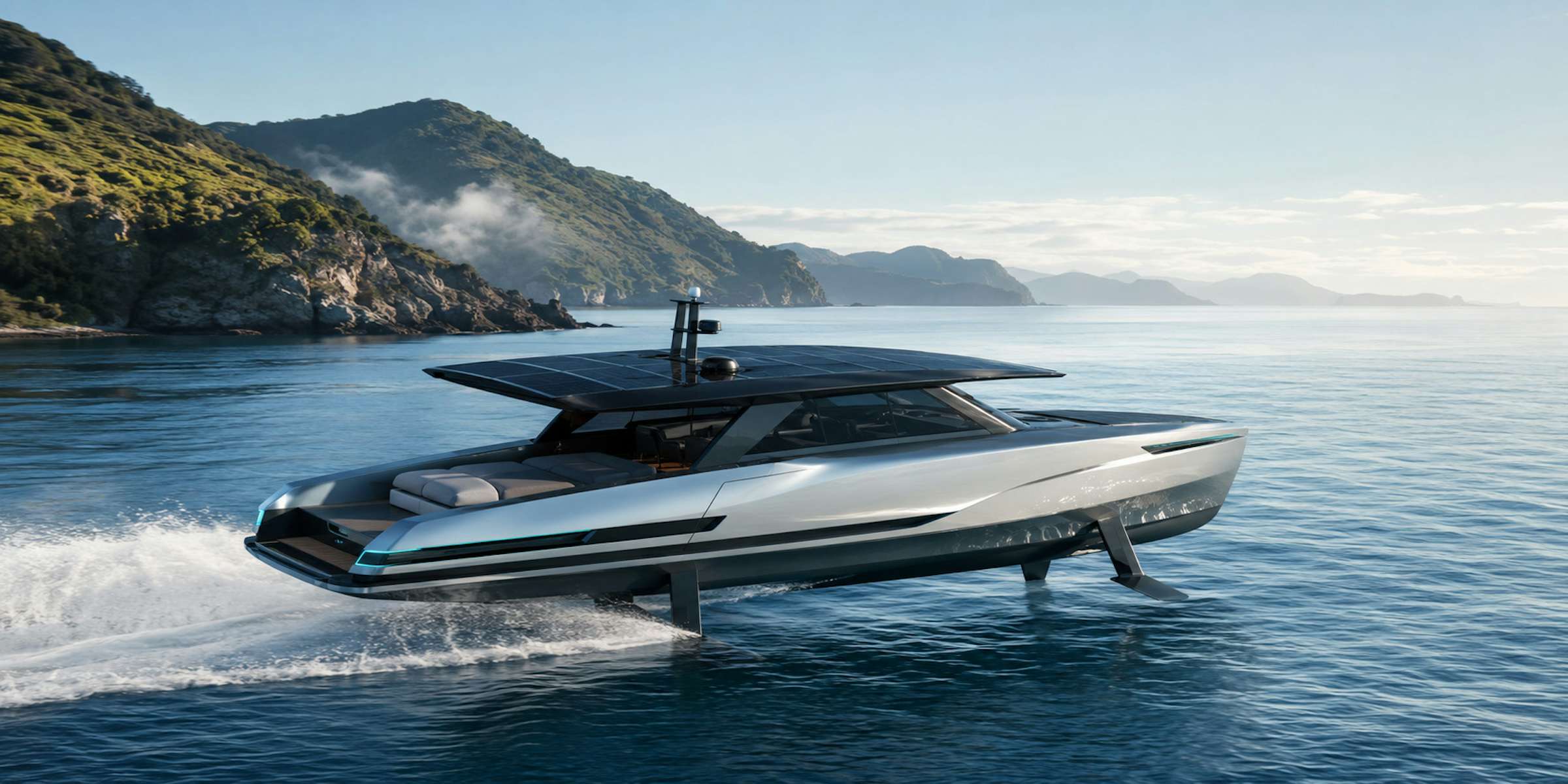
Hydrofoils have been around for decades in racing, but they're now appearing in production boats for everyday use. The technology lifts the hull above the water on wing-like foils, reducing drag and energy consumption by up to 80 per cent. This means longer range, a remarkably smooth ride even in moderate chop, and near-zero wake that's gentler on shorelines.
Swedish company Candela has led this charge, and New Zealand is getting a front-row seat. Meridian Energy will operate a Candela P-12 electric hydrofoil ferry on Lake Manapōuri, a fitting choice for a UNESCO World Heritage Area. In Auckland, Vessev is producing the VS-9 premium tourism hydrofoil for operators like Fullers360. It's a good example of Kiwi innovation meeting global trends, and we can expect more foiling vessels in New Zealand waters over the coming years.
Smart boating technology
The boats of 2026 are getting smarter. Marine telematics systems now allow owners to check battery status, fuel levels, bilge conditions and GPS location from their smartphone, whether at home or across the country. At CES 2025, Brunswick Corporation showcased AI-powered "co-captain" technology offering assisted navigation, safety monitoring and autonomous docking. While fully self-driving boats remain some way off, these assisted features are making boating more accessible for newcomers. For Kiwi boaties, connected technology is particularly valuable for monitoring boats at remote moorings, with geofencing alerts, anchor alarms and movement detection providing peace of mind when you can't be there in person. For a rundown of apps already doing some of this, see our guide to must-have boating apps for Kiwi boaties in 2025.
Fish-finding technology
Forward-facing sonar has been the biggest development in fishing electronics recently. Systems like Garmin's LiveScope, Lowrance's ActiveTarget and Humminbird's MEGA Live provide real-time underwater imagery showing fish, structure and lure presentation as it happens. The technology has proven so effective that several professional fishing leagues have implemented new rules, some standardising equipment, others banning it altogether. New releases include Humminbird's XPLORE system and Garmin's ECHOMAP Ultra 2 with 16-inch displays. For recreational anglers, these tools are becoming more accessible and easier to use.
Sustainable boating
Eco-friendly boating is becoming more practical. Non-toxic antifouling alternatives are gaining traction, including vinyl wrap systems and microfibre products that prevent growth through physical rather than chemical means, offering five-year lifespans compared to the typical two years for traditional paints. New Zealand's Propspeed continues to lead in foul-release coatings that protect propellers without leaching toxins. Combined with stricter biofouling management, such as Northland Regional Council's hull inspection programme running November 2025 to May 2026, there's a growing incentive to think carefully about what goes on your hull.
Looking forward
These shifts show an industry evolving fast, but the appeal at the heart of it hasn't changed. Kiwis will keep finding reasons to get out on the water, however that boat happens to be powered.
Sources: Boating New Zealand, Torqeedo, NZ Herald, Meridian Energy, Vessev, Brunswick Corporation, Hook & Barrel Magazine, Humminbird, Garmin, Propspeed, Northland Regional Council